
Reconstruction of Steel Structures
1. Diagnosis as the Foundation of the Project
Any reconstruction begins not with blueprints, but with an examination. For steel structures, this stage is critical. The inspection process involves several steps. It starts with a visual inspection and a review of archival documentation. If project documentation is lost (which is often the case with older structures), designers may need to recreate it from scratch by producing measurement drawings.
Next comes detailed instrumental inspection. Modern laboratories conduct non-destructive testing of welded joints and analyze the material for fatigue and corrosion damage. Particular attention is paid to connection nodes, the bearing parts of columns, and areas of stress concentration. The result of this work is a technical report that includes not only a list of defects but also verification calculations considering the identified issues.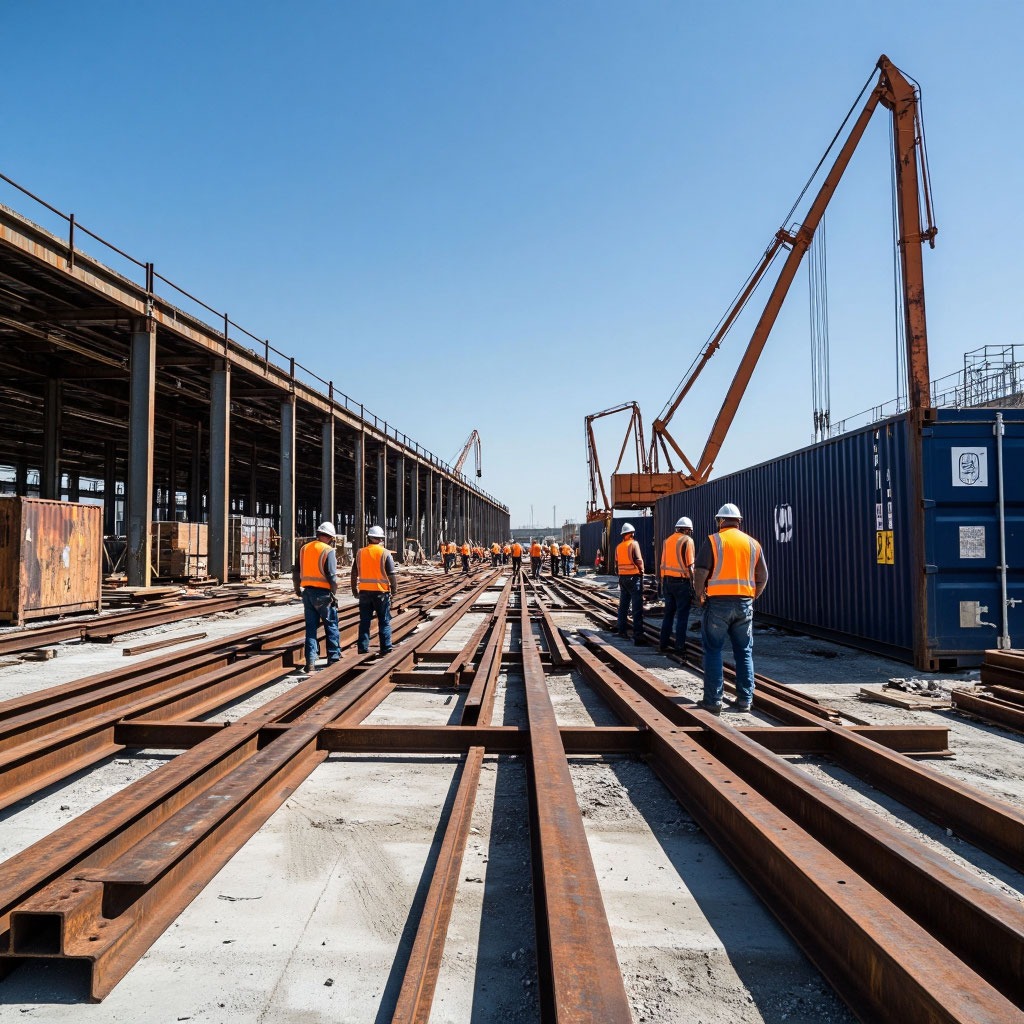
2. New Loads and Changes to Structural Schemes
After the inspection, the most challenging stage of design begins - adapting the old framework for its new purpose. Reconstruction often involves changing the functional use of the building. A classic example is repurposing a production facility into a logistics center, which not only requires repairs but also recalculating load-bearing capacities, adjusting loads, and rethinking the operational schematics of the supporting structures.
Another common task is increasing the spacing of columns. Modern technological equipment often requires larger open spaces than those specified in designs from the 1960s and 70s. In such cases, significant intervention is necessary, potentially requiring the removal of intermediate columns.
3. Reinforcement: Metal + Innovation
Reconstruction frequently necessitates not a redesign, but rather the reinforcement of existing elements to support increased loads. Traditional methods include increasing cross-section via welding additional plates or installing trapezoidal systems.
However, contemporary design increasingly turns to composite solutions that combine traditional steel elements with modern materials. For example, changing column shapes from square to round using composite materials can enhance strength significantly without a substantial increase in cross-section.