
The Connection Challenge for Data Centers: Waiting Lines Around the Globe
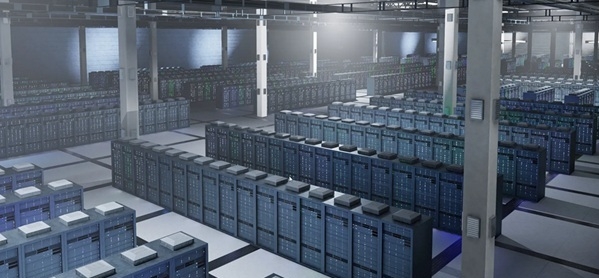
In today’s digital landscape, data centers play a pivotal role in supporting the IT infrastructure that powers businesses, applications, and services worldwide. However, a significant challenge many new data centers face is connecting to local power grids. In various countries, newly constructed facilities often find themselves in lengthy queues to establish their connections, leading to operational delays and increased costs.
Understanding the Magnitude of Power Consumption
The power consumption of data centers can be staggering. According to the U.S. Department of Energy, data centers in the United States consume about 70 billion kilowatt-hours per year, accounting for approximately 2% of the nation’s total electricity use. Individual data centers can demand power ranging from a few megawatts to over 100 MW, depending on their size and the services they provide. For instance, large hyperscale facilities, like those operated by Google and Amazon, require vast amounts of electricity for their servers, cooling systems, and other infrastructure.
In Europe, the situation is similar. For example, a substantial data center in Frankfurt may require between 10 to 20 MW of power to support its operations. In countries like Germany and the Netherlands, where the demand for data services is rapidly increasing, the existing infrastructure often struggles to keep pace, leading to long wait times for new connections. These delays can hinder business operations and deter potential investments in local economies.
Real-World Examples: The Impact of Connection Challenges
Take, for instance, the case of a large data center complex in Dublin, Ireland. The facility faced significant delays due to power connection issues, with a queue that lasted several months. This situation not only postponed the facility's operational launch but also impacted the broader supply chain for companies relying on its services.
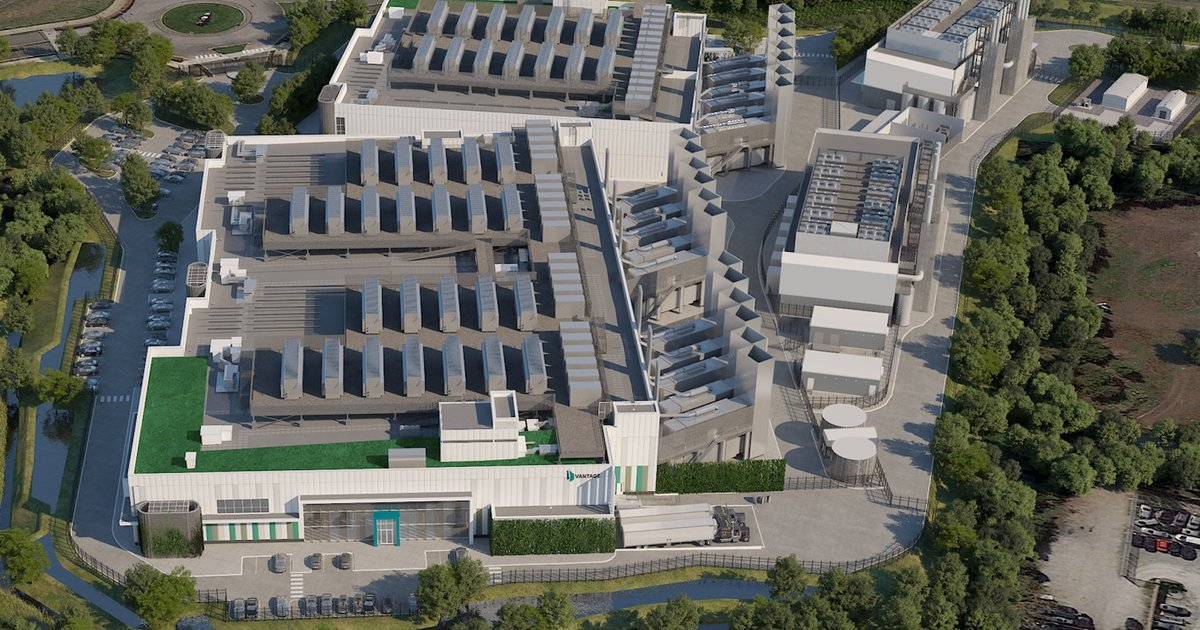
Similarly, in Sweden, some data centers have encountered restrictions on capacity expansion due to grid limitations. The growing demand for data processing and storage has outstripped the current capabilities of electric service providers, illustrating the urgent need for innovative solutions.
Solutions to Alleviate Connection Woes
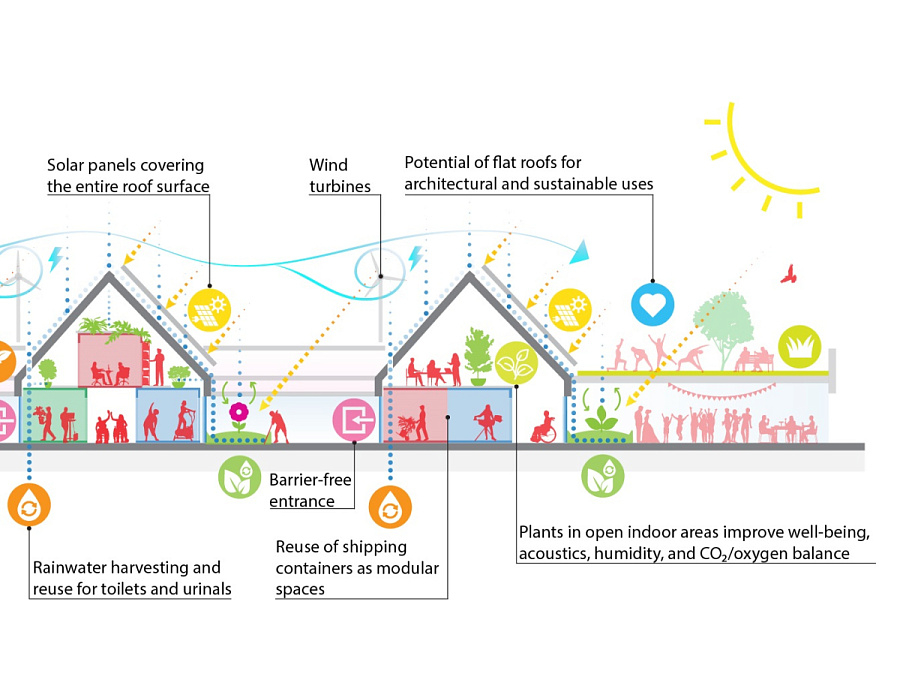
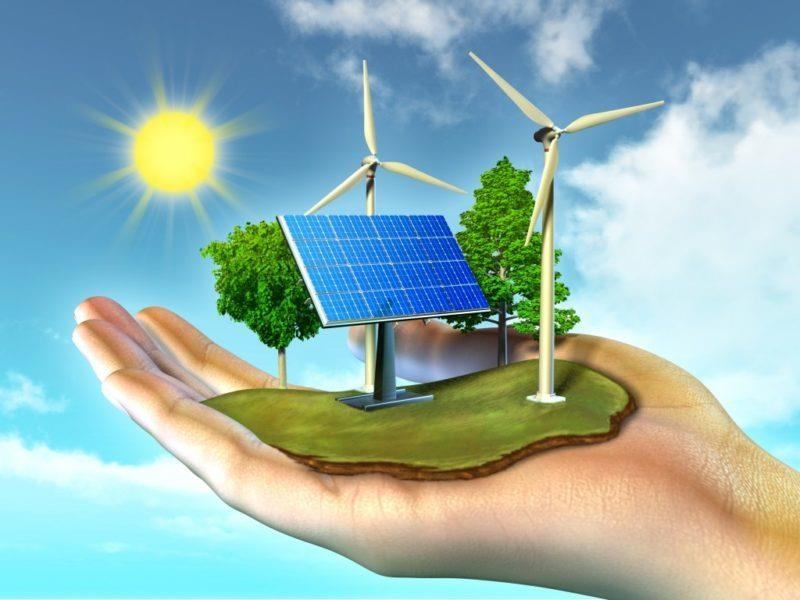
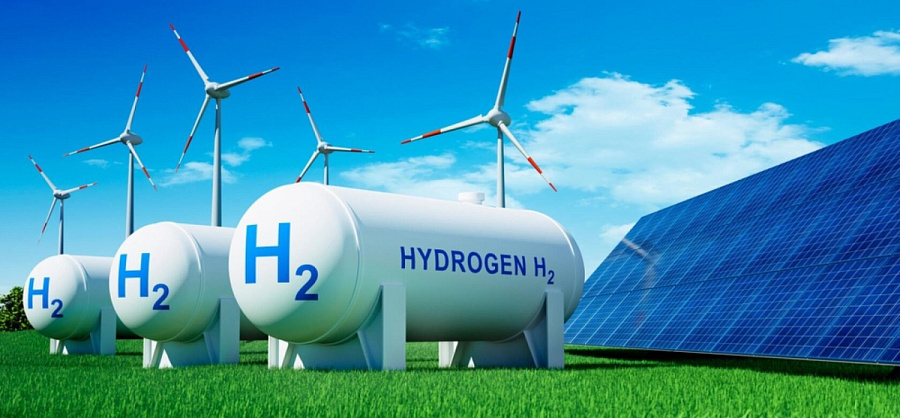
One promising solution to ease the connection challenges faced by data centers is the integration of renewable energy sources directly within or near these facilities. By generating power on-site, data centers can improve energy security and mitigate their reliance on the grid, which often suffers from capacity constraints.
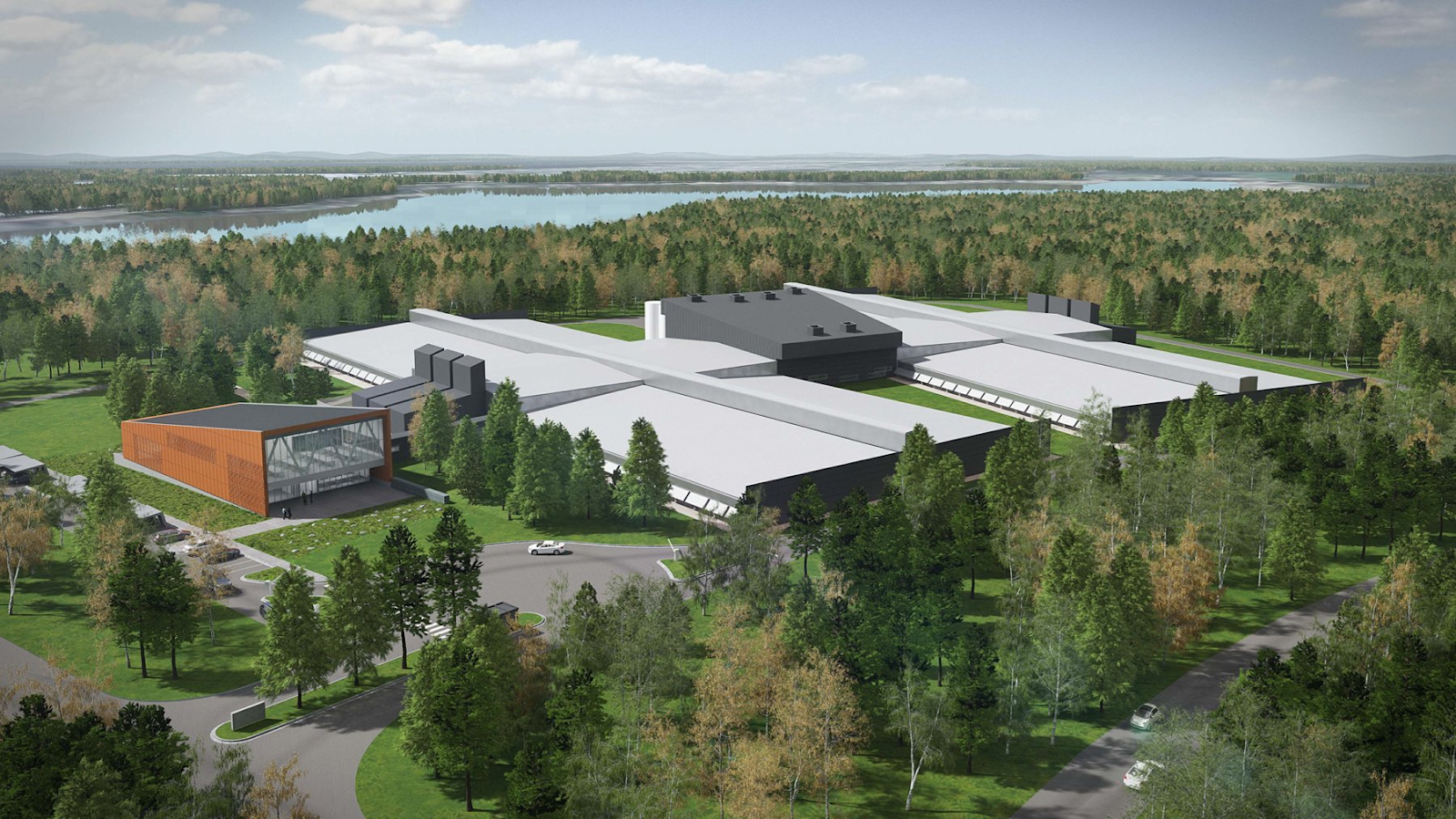
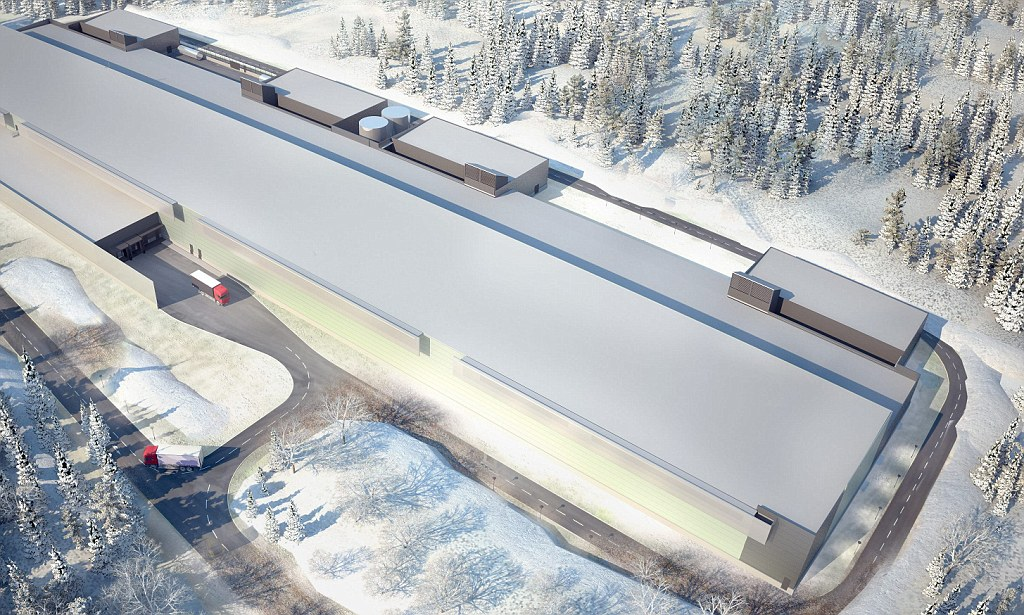
For example, the Facebook data center located in Luleå, Sweden, operates entirely on renewable energy. The facility utilizes hydroelectric power sourced from nearby rivers, significantly reducing its carbon footprint and providing a reliable energy supply without the lengthy wait associated with grid connections. This approach not only enhances operational efficiency but also positions Facebook as a leader in sustainable technology.
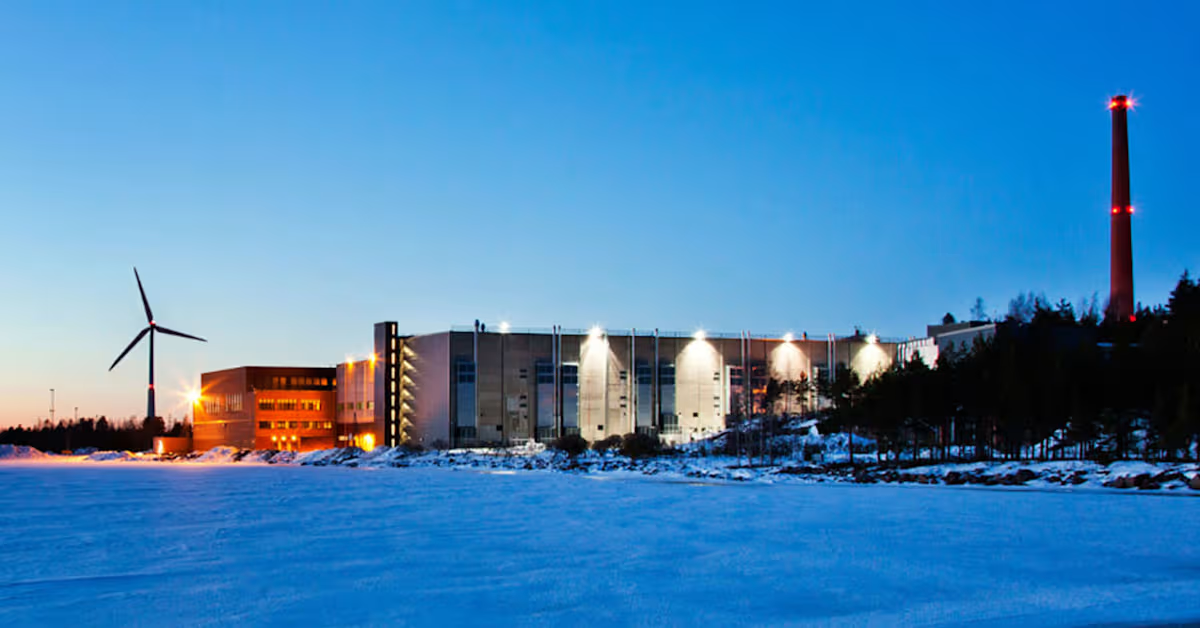
Another notable example is Google’s data center in Hamina, Finland. This facility employs a combination of wind and hydroelectric power to meet its energy needs. The strategic use of renewable energy has allowed Google to not only secure an uninterrupted power supply but also align with its ambitious sustainability goals.
The Future of Data Centers and Energy Solutions
As the demand for data storage and processing continues to escalate, addressing the connectivity challenges of data centers will become increasingly critical. The integration of renewable energy sources offers a viable path forward, enabling data centers to function independently of traditional grid limitations.
Moreover, governments and energy providers must collaborate to improve infrastructure, ensuring that resources keep pace with the burgeoning needs of digital services. Implementing streamlined processes for energy connection and investing in renewable energy technologies will play a crucial role in supporting the growth of data centers worldwide.
In conclusion, while the challenges of connecting data centers are substantial, innovative solutions such as localized renewable energy generation can significantly alleviate these issues. By investing in sustainable energy practices and infrastructure development, the industry can ensure that data centers not only meet current demands but are also positioned to thrive in the future.
We offer expertise in designing cutting-edge facilities tailored to the unique needs of data centers. Our design services focus on integrating sustainable energy practices and optimizing infrastructure to ensure efficiency and scalability.