
Fenix: innovative project in Rotterdam
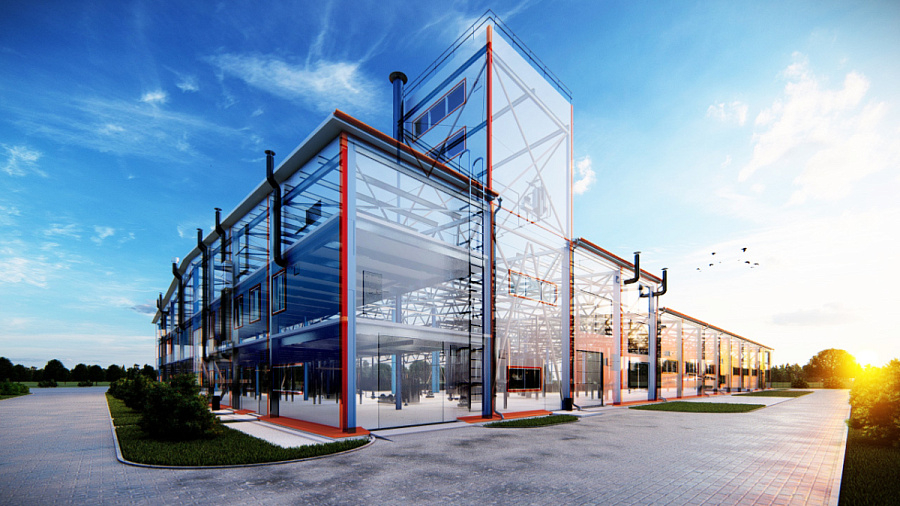
On May 15, we celebrate the anniversary of the opening of the Fenix Museum in Rotterdam, and ENECA Group is proud to have contribute the modeling of steel structures for this futuristic building. Steel structures of the spaceframe, elevator shaft, glass roof – detailed by Eneca Group together with many other engineers.
The Fenix Museum is not just an architectural marvel; it is a place that brings history to life. Created within a former warehouse, it blends industrial architecture with modern art. The goal was to establish a space that reflects both local history and contemporary innovation.

What enabled quality design?
In our work on this unique building, we faced the unique challenges of modeling a complex structure. The iconic “Tornado” inside the museum is a steel truss bent in two planes simultaneously - both longitudinally and transversally. Each element is unique, and no two pieces are the same.
We began working on a test assignment and completed small tasks, such as creating assembly drawings for a curved structure. After demonstrating the quality of our work, we became part of a large international design team. When our team joined, approximately 10% of the model was already completed. At that point, there was no complete understanding of what the project would entail. Gradually, we built a rapport, and the client began to trust us with more complex and responsible tasks, such as modeling larger blocks and creating complete working drawings. Our collaboration on the project lasted about two years.
The quality of the design was greatly aided by our team’s existing experience with curved structures in Tekla.
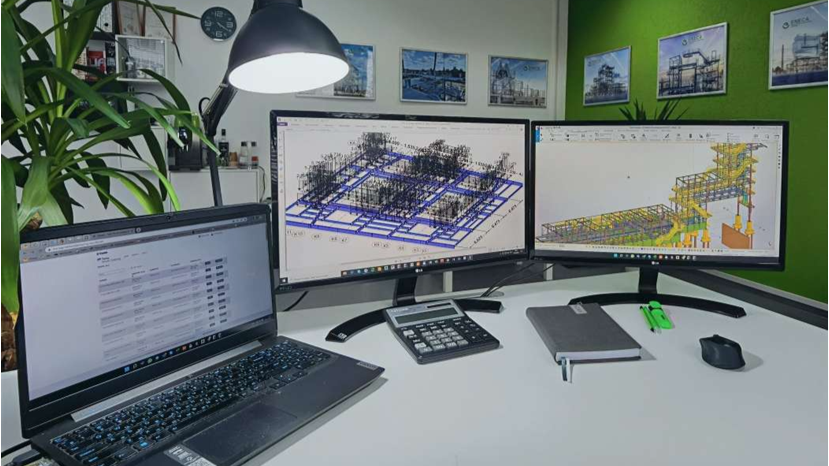
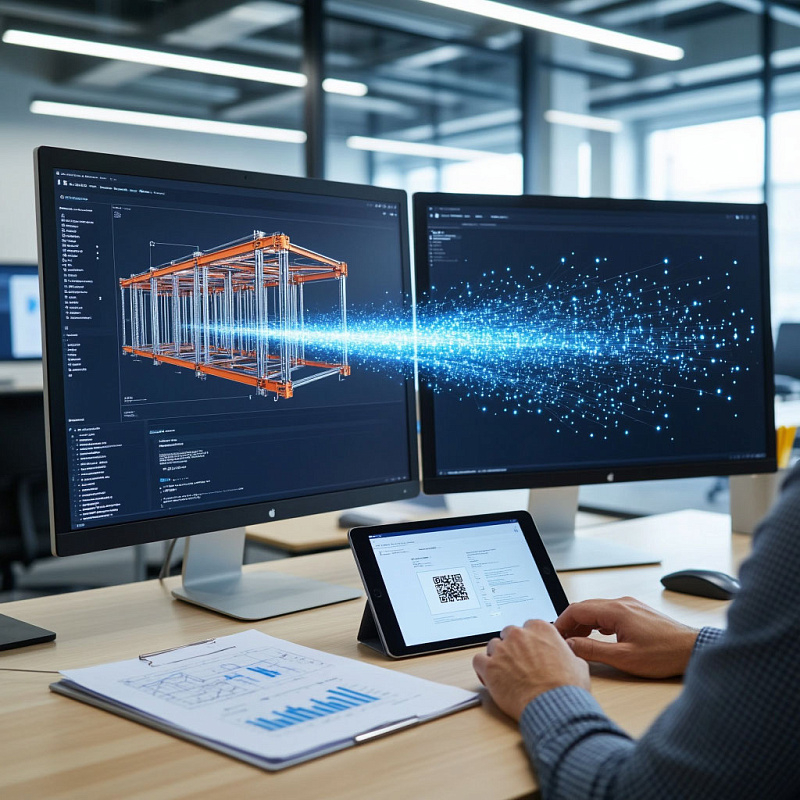
First and foremost, it was important to understand how the details would be manufactured, clarifying with the client the maximum number of details (material, length, how the details would bend, their dimensions, connections etc.). Regarding production, it was essential to know how the machines operate and account for the specifics of the welds. Notably, thanks to Tekla, which improves with every version, many of our processes were simplified. Tekla allowed to avoid collisions due to the 1:1 scale and helped to identify and prevent inconsistencies in the initial client's drawings.
Our workflow was structured transparently: we communicated with the client almost daily, and tasks were assigned progressively, ensuring satisfaction with the results. Since a large number of specialists from various countries worked in parallel, special attention was paid to coordination. Our common goal was to ensure that such a complex structure could be successfully produced and assembled on-site. For example, when we realized that the structure's weight was too much even for specially ordered heavy cranes, we split the designed model into two parts. We added new structures to the model and made new drawings.