
Building Renovations growing trend in BIM
The Decline of New Construction
Statistics reveal a striking reality. According to the German Federal Statistical Office, new residential construction permits dropped by approximately 23% in 2025 compared to 2023. In contrast, the market for renovating existing buildings has seen a significant uptick, with renovation projects increasing by around 15%. This shift underscores a growing recognition of the value embedded in existing structures, as well as the challenges posed by stringent regulations and environmental concerns associated with new developments.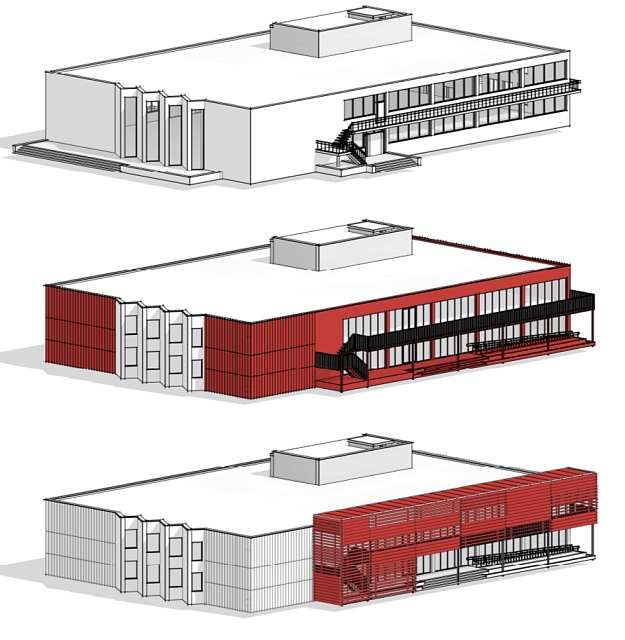
The Eco-Friendly Renovation Trend
The emphasis on renovating buildings rather than constructing new ones aligns seamlessly with the goals of sustainable development. Modern renovations integrate "green" technologies and practices that prioritize the environment, energy efficiency, and sustainability.
-
Energy Efficiency: Renovated buildings often incorporate new insulation technologies and materials, advanced window technologies, and energy-efficient heating and cooling systems. For example, retrofitting a building with high-performance insulation can reduce heating energy consumption by up to 70%.
-
Reduced Carbon Footprint: The renovation of existing structures significantly lowers the carbon emissions associated with construction. The EU has set ambitious goals to reduce greenhouse gas emissions by 55% by 2030, and renovating buildings plays a key part in achieving this target. By extending the life of existing buildings, we minimize the need for new materials and the associated carbon footprint.
-
Waste Reduction: Renovating existing buildings helps mitigate the waste generated from demolition and new construction. According to the EU, construction and demolition waste account for approximately 25-30% of the total waste generated in Europe. By choosing to renovate, the industry can divert substantial amounts of this waste from landfills.
-
Sustainable Materials: Renovations often allow for the use of sustainable materials, further enhancing the eco-friendliness of these projects. Reclaimed wood, recycled metals, and other environmentally friendly materials can be effectively used in renovations, lowering the demand for new raw materials and promoting a circular economy.
We are at the forefront of this renovation trend, actively engaging in projects that embrace "green" technologies across all areas of design. Our approach centers around sustainability, leveraging innovative solutions that enhance the environmental performance of buildings while ensuring they meet modern standards and expectations.
As the trend towards building renovations continues to grow in Europe, particularly in Germany, the AEC industry must embrace this change and focus on developing innovative, eco-friendly solutions.
In conclusion, the increasing emphasis on renovations is not just a market response but a necessary evolution towards greater sustainability in the built environment. Let us be part of this positive change, creating spaces that are both functional and environmentally responsible.